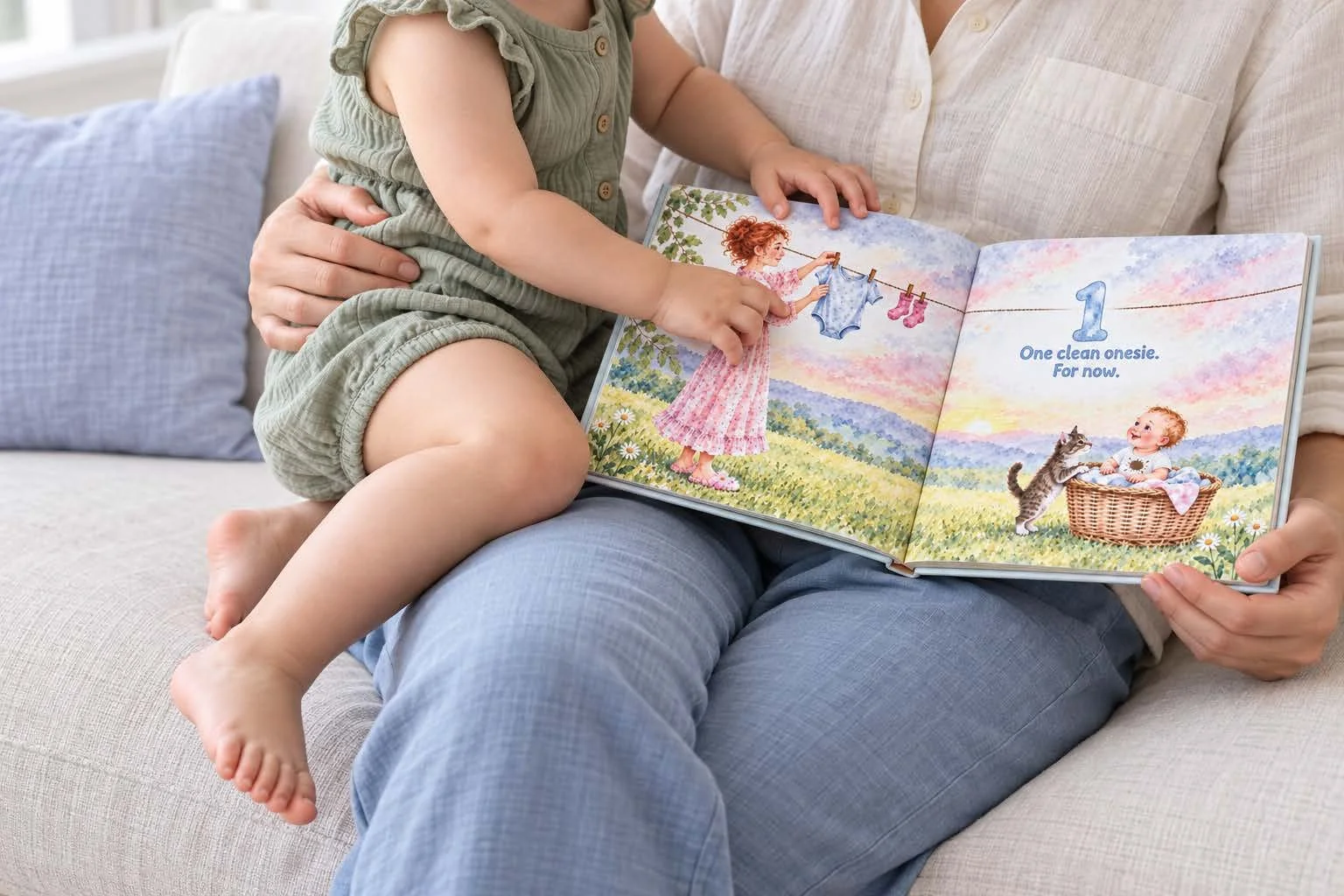
Sometimes the smallest person in the room has the most to say.
It might arrive as a question, a pointed finger, a made-up word or a firm request to read the same page again. Children have their own ways of showing us what matters to them. When we slow down enough to notice, those tiny contributions can change the whole conversation.
Today is World Children's Day, recognised on 20 November. UNICEF marks the day by drawing attention to children's voices, rights and futures. It's a far bigger conversation than books alone. Still, storytime can be one small place to practise listening.
Make room for their version of the story
When you're reading with a little one, try waiting a moment before turning the page. What do they want to point at? Which illustration makes them laugh? Is there something familiar they'd like to tell you about?
The conversation may wander far away from the printed words. That doesn't make it less worthwhile. It might be the part they'll remember.
Stories in the language that feels like home
Children grow up surrounded by different family languages, voices, traditions and ways of making meaning. Reading, singing and storytelling don't belong to just one accent or one kind of household.
The 2026 Australian Children's Week theme highlighted children's rights to their own language, culture and religion. That is a lovely reminder that the stories we share should leave space for who children already are.
You might read in English, in another language, switch between languages or tell a familiar tale in your own words. What matters is the shared attention and care.
Let them choose sometimes
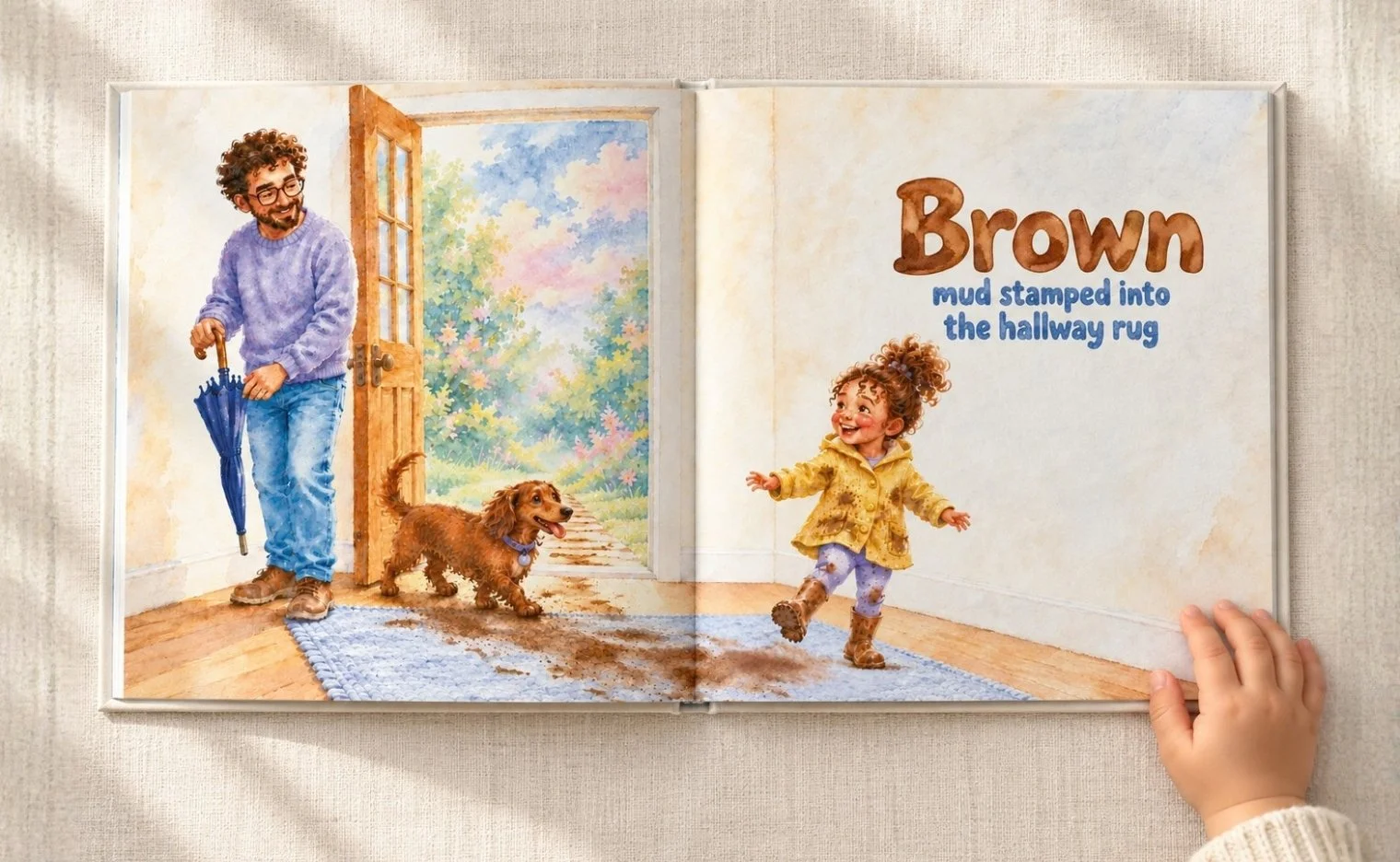
One day they may choose the book with the cat. The next day they may choose the book with the same cat, again. Offering a genuine choice can give children a small, satisfying sense of ownership over the moment.
You can still guide things when necessary. A bedtime story does not need to become an all-night negotiation. But making room for preferences can turn a routine into a shared activity.
A connection, not a performance
I love the idea that picture books can be enjoyed on more than one level. A child might notice the colour, the noise or the character. The grown-up might recognise the family-life moment tucked into the background. Both readers bring something to the page.
There's no flawless way to do that. Some days the book gets finished. Some days it doesn't. The part that matters is that we were listening to each other, however briefly.
On World Children's Day, perhaps the invitation is simply this: choose a story, leave a little space between the pages and see what your small reading companion wants to say.
You can discover the Little Petal Press picture books, made for little readers and the grown-ups beside them.
